 Jean Scott
A good knife can feel disappointing fast. Poor carry comfort, weak retention, and awkward handling often create regret after purchase. Buyers often focus on appearance before practical details. Those details matter daily. Choosing Boot Knives requires attention to fit, blade design, carrying method, and intended purpose before money changes hands.
Looks Alone Rarely Predict Performance
Sharp styling attracts attention during shopping. Real use tells another story.
Large blades often create pressure inside footwear. Smaller options sometimes limit cutting capability. Balance matters more than visual impact. A hunter crossing rough terrain needs different dimensions. Someone carrying discreetly faces different requirements. Comfort during movement deserves equal consideration.
Why Does Blade Material Matter So Much?
Steel choice affects ownership experience immediately. Edge retention varies across materials. Corrosion resistance changes performance expectations.
Consider these practical differences:
- Stainless steel handles moisture better.
- Carbon steel sharpens with less effort.
- Premium alloys resist wear longer.
Rainy environments punish neglected metal surfaces. Dry conditions present fewer concerns. Matching material characteristics with expected conditions prevents frustration later.
Sheath Quality Deserves Equal Attention
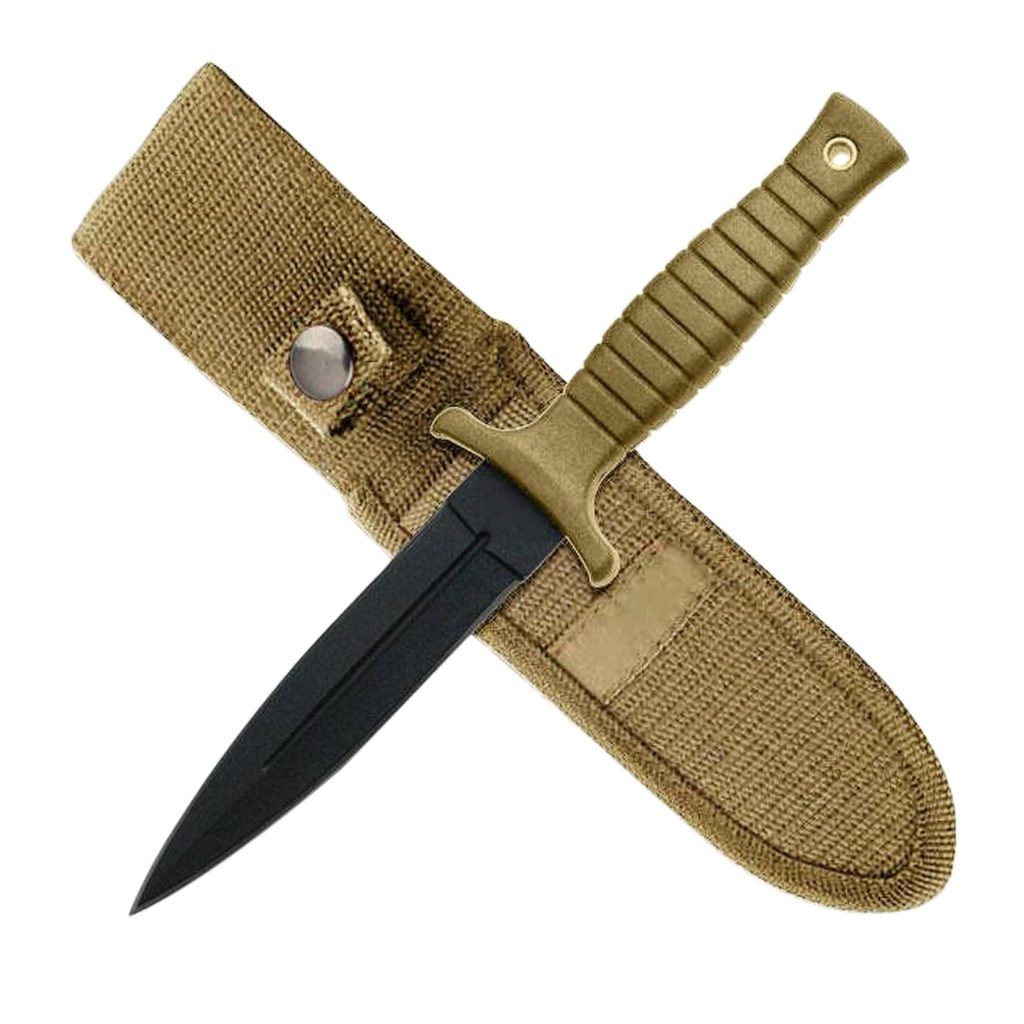
A dependable blade becomes troublesome with poor retention. Movement inside footwear creates discomfort quickly. Loose carry systems increase unwanted shifting.
Key features worth examining include:
- Secure locking fit
- Smooth draw access
- Durable construction materials
- Minimal bulk profile
A rigid sheath often delivers predictable access. Soft designs sometimes collapse after extended use. Small differences become noticeable during daily wear.
Are You Buying For Carry Or Capability?
Purpose should guide every purchasing decision. Marketing language often clouds judgment.
Defensive designs prioritize rapid access. Utility-focused models favor practical cutting tasks. Outdoor users may value toughness above concealment. Within the crowded market for Boot Knives, intended use separates smart purchases from expensive mistakes. Clear priorities narrow choices faster than product descriptions.
Handle Shape Influences Control More Than Expected
Grip comfort affects every cutting task performed. Slick surfaces reduce confidence during use. Poor ergonomics create hand fatigue sooner.
Look for features such as:
- Textured scales
- Contoured edges
- Balanced thickness
For example, wet conditions expose grip weaknesses immediately. A secure handle maintains control when conditions become less forgiving. Testing shape and feel remains worthwhile whenever possible.
The Cost Trap Buyers Encounter
Cheap options often attract first-time purchasers. Low prices create appeal. Hidden compromises appear later.
Inferior hardware loosens over time. Thin sheath materials wear faster. Weak steel demands constant maintenance. Higher pricing alone guarantees nothing, yet durable construction often reflects greater attention during manufacturing. Long-term value matters more than initial savings.
Questions Worth Asking Before Purchase
Can blade length affect comfort?
Yes. Excess length often creates pressure while walking.
Should beginners choose premium steel?
Not always. Maintenance preferences matter more.
Does sheath material influence safety?
Absolutely. Secure retention reduces accidental movement.
Is concealment always the main priority?
Carry purpose determines suitable design choices.
What Separates A Trusted Tool From A Regretted Purchase?
A loose sheath and slippery handle rarely reveal problems inside a display case. Daily carry exposes every weakness. Buyers who examine retention, grip texture, and intended use avoid common disappointments. One overlooked detail, such as poor fit inside footwear, can transform an attractive purchase into unused gear resting permanently on a shelf.